

We live in a time where transformation is constant—careers evolve, technology accelerates, and the pace of change can feel dizzying. But amidst all this motion, one truth remains: you can’t predict the future, but you can prepare yourself for it.
That’s the essence of becoming a future-ready self—someone who’s not just surviving the shifts, but thriving through them. It’s about building adaptability, emotional intelligence, curiosity, and lifelong learning into the very fabric of who you are.
In this evergreen guide, we’ll explore five timeless strategies that can help you strengthen both your personal and professional growth—no matter the season, title, or trend.
1. Embrace AI-Augmented Learning (Because Traditional Learning Won’t Cut It)
The way we learn is evolving faster than ever. With the rise of AI-powered tools, you can personalize your growth journey to fit your pace, goals, and learning style.
Why this matters:
- The skills that matter most today weren’t even on the radar a decade ago.
- AI can help you identify gaps, personalize lessons, and turn knowledge into action.
- Learning how to learn smarter is the new competitive edge.
Try this:
Dedicate 10–15 minutes a week to an AI-supported learning tool—whether it’s prompting ChatGPT to summarize a book chapter or exploring an adaptive micro-course. At the end of each session, ask:
“What’s one insight I can apply immediately?”
That reflection turns information into transformation.
2. Lead with Emotional Intelligence
If there’s one skill that never goes out of style, it’s emotional intelligence (EQ). As organizations grow more complex, hybrid work becomes the norm, and cultures evolve, EQ remains the foundation of connection and influence.
Here’s why EQ is timeless:
- It enhances leadership, communication, and decision-making.
- It helps you manage stress, handle conflict, and empathize with others.
- It strengthens relationships in every sphere—personal and professional.
Try this:
Start each morning with a brief reflection:
“What emotion am I feeling right now, and how will I respond intentionally rather than reactively?”
Then, at least once a week, check in with a colleague or friend using curiosity rather than assumption. You’ll find that EQ isn’t a skill you acquire, but rather is one you cultivate daily.
Learn how to improve your emotional intelligence here.
3. Adopt Micro-Learning as a Lifestyle
Grand plans often fail not because they’re wrong, but because they’re too big to sustain. That’s why micro-learning—short, consistent bursts of growth—has become one of the most effective personal and professional development practices.
Why it works:
- It’s flexible and fits into real life.
- It builds momentum and confidence through repetition.
- It turns “someday” goals into everyday habits.
Try this:
Commit to just five minutes of intentional learning per day. That could mean:
- Reading one thought-provoking paragraph.
- Listening to a short podcast clip–Check out The Wishful Doing Podcast
- Writing down a single insight from a conversation.
Do it for 21 days. You’ll be amazed at how much you can grow by simply showing up consistently.
4. Cultivate a Lifelong Learning & Adaptability Mindset
Your degree, certification, or title might get you in the door—but adaptability keeps you in the room. The future-ready self knows that curiosity isn’t a phase; it’s a posture.
Adopt this mindset:
- You’re always learning, even (especially) when things feel uncertain.
- Change isn’t a threat—it’s a signal to evolve.
- The best time to start something new is when it feels uncomfortable.
Try this:
Once every quarter, identify one skill, mindset, or area of growth that feels outside your comfort zone. Then build a 30-day “learning sprint” around it—one small action a day.
Whether it’s learning a new technology, practicing storytelling, or managing energy better, each sprint makes you more agile and self-reliant.
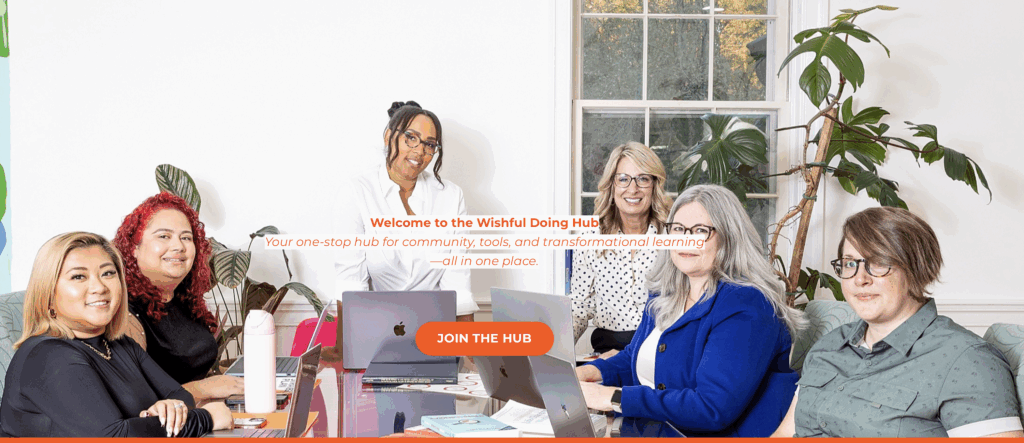
We’ve got just the thing. Head over to The Wishful Doing Hub to explore on-demand micro-learning and more.
5. Align Personal and Professional Growth
One of the biggest misconceptions about development is that personal and professional growth live in separate lanes. The truth is, they’re two sides of the same coin.
When you develop your whole self, you strengthen how you lead, create, and collaborate.
Why alignment matters:
- Personal well-being fuels professional excellence.
- Boundaries protect your energy and amplify your impact.
- Authenticity builds trust—and trust builds influence.
Try this:
Identify one personal growth area (e.g., boundaries, self-care, confidence) and one professional growth area (e.g., delegation, communication, leadership presence).
Now find the overlap:
“What’s one daily action that strengthens both?”
For example, setting aside 10 minutes of quiet before work could serve your mindfulness practice and improve your focus in meetings.
6. Future-Ready Self = Integration in Action
The future-ready self isn’t about doing more—it’s about doing with intention. It’s about noticing your patterns, refining your process, and designing a rhythm that works for you.
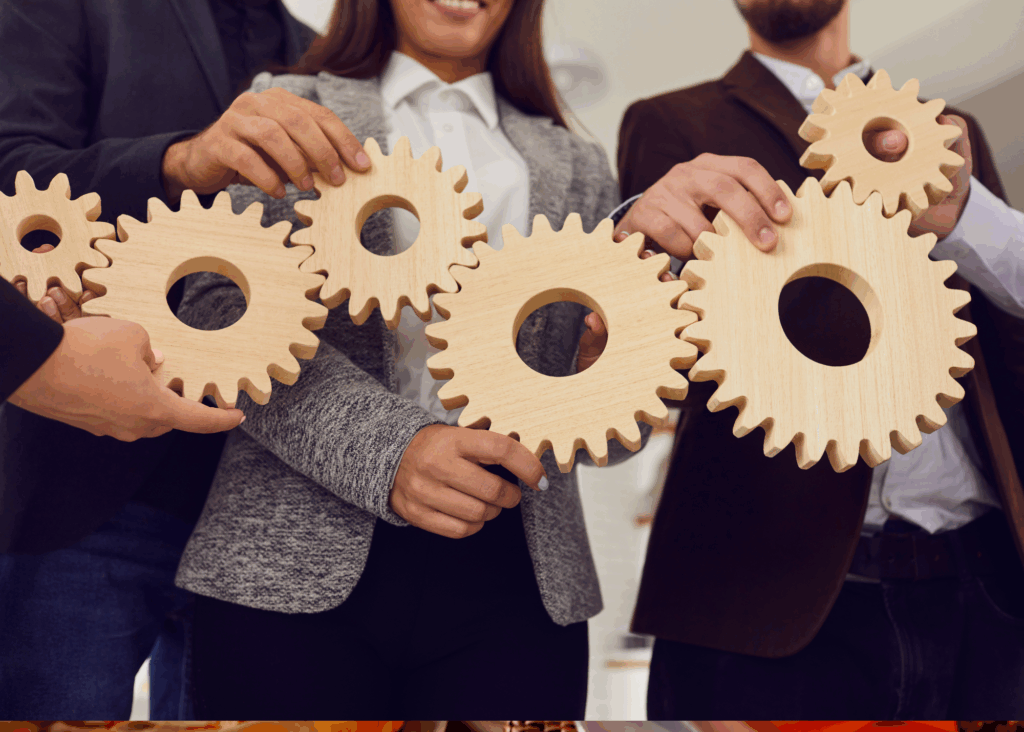
To integrate everything we’ve covered, think of your growth as a system with five continuous loops:
Dimension | Core Habit | Outcome |
AI-Augmented Learning | Learn smarter | Stay competitive |
Emotional Intelligence | Reflect and connect | Lead with empathy |
Micro-Learning | Practice consistently | Grow sustainably |
Adaptability | Embrace discomfort | Build resilience |
Alignment | Integrate life and work | Live authentically |
Start anywhere. Keep cycling through. Over time, growth becomes not an event—but your way of being.
In Summary: The Future-Ready Self Is a Lifelong Project
There’s no finish line to this work—just continuous evolution. The future-ready self isn’t built overnight; it’s sculpted in small, intentional choices. Every reflection, every boundary, every skill learned compounds into the version of you that can handle whatever comes next.
So pause. Reflect. Choose one area to start. Then act.
Because the future doesn’t belong to those who predict it. It belongs to those who prepare for it.
Check-In
- What’s one small habit that, if practiced daily, would make you feel 10% more future-ready?
- How can you use technology as a tool for growth rather than a source of distraction?
- When you think about your future-ready self, what values will you still be leading with 10 years from now?